
Addressing Roof Damage After Severe Weather Events
After a severe storm, your roof may face significant wear and tear. Wind, rain, hail, and debris can all lead to various types of damage. This can compromise the safety and structure of your home. It is important to understand how storms affect roofs and what steps you need to take next. This guide will help you navigate the process of addressing roof damage caused by storms.
Common Signs of Storm Damage
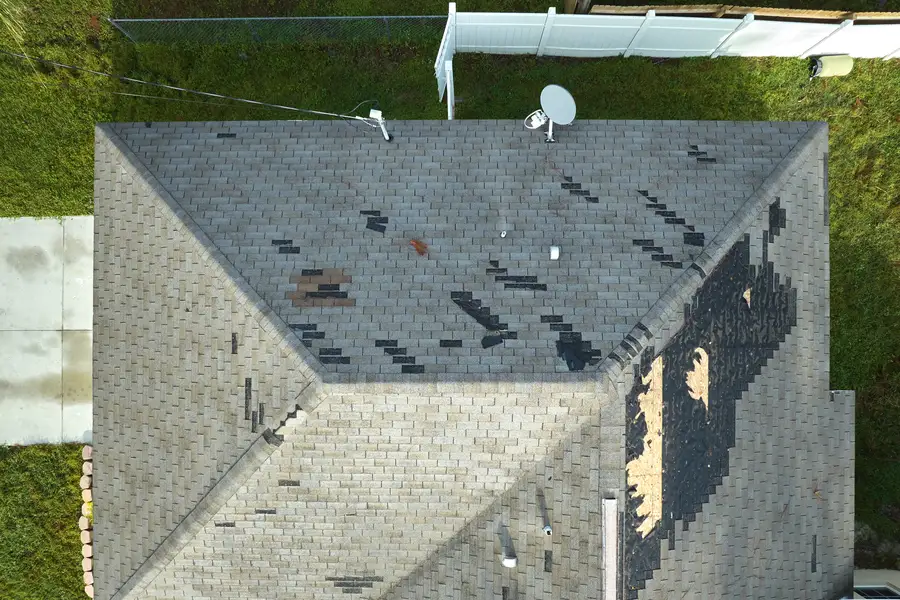
Identifying damage after a storm is crucial. You should look for missing shingles, broken tiles, or dents on metal roofing. Check for leaks inside your house as well. A sudden increase in energy bills could also indicate a problem. These signs suggest that immediate attention is needed to prevent further issues.
When to Schedule Roof Repairs
Once you’ve identified damage, it is vital to schedule roof repairs promptly. Delaying necessary fixes can lead to more extensive damage over time. A professional inspection will determine the extent of the damage and recommend appropriate solutions. Ensuring timely repairs maintains your home’s integrity and prevents future complications.
Choosing the Right Roofing Materials
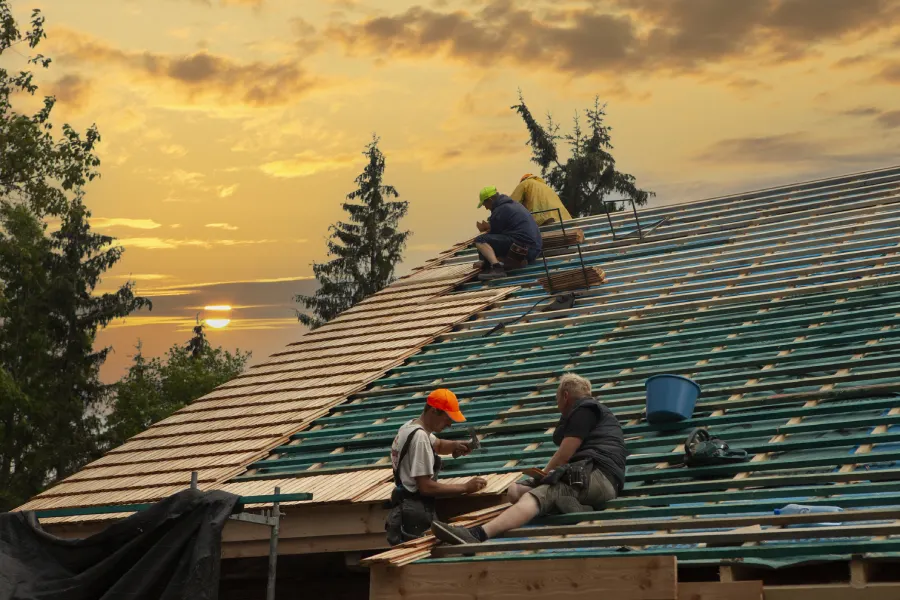
The materials you choose for repairing your roof play a significant role in its durability. Opt for high-quality shingles or tiles designed to withstand weather extremes. Consider impact-resistant materials if you live in an area prone to hailstorms. These choices can offer long-term protection against future storm-related wear.
- Asphalt shingles are cost-effective and widely used.
- Metal roofing offers exceptional durability.
- Clay tiles provide excellent insulation and aesthetic appeal.
Steps to Take Before Repair Work Begins
Before starting any repair work, ensure all storm debris is cleared from your roof. Document any visible damage with photos or videos. Contact your insurance company to discuss coverage options and claim processes. Securing multiple quotes from roofing contractors will help you make an informed decision.
- Clear debris from the roof surface.
- Document damages with clear photos.
- Contact your insurance provider about claims.
Insurance Coverage for Roof Damage
Understanding your insurance policy helps streamline the repair process. Many policies cover storm damage, but details can vary. Knowing your coverage limits and deductibles is essential. Communicate clearly with your insurer to facilitate a smooth claim process and ensure you receive the compensation you’re entitled to.
Professional Tips for Maintaining Your Roof
Regular maintenance extends the life of your roof significantly. Conduct bi-annual inspections and clean gutters regularly to prevent clogging. Ensure tree branches do not hang over your roof, as they pose a risk during storms. Simple precautions like these help minimize future damage and maintain your roof’s condition.
- Inspect your roof twice a year for early signs of damage.
- Keep gutters clean to avoid water pooling on the roof.
- Trim tree branches close to the house regularly.
Cost Factors in Roof Repairs
The cost of roof repairs varies based on factors such as material choice, extent of damage, and labor costs in your area. High-quality materials might have a higher initial cost but offer better longevity and protection. Investing wisely in repairs can save money over time through reduced maintenance and increased home value.
Your Solution for Reliable Roof Repairs
If you’re dealing with storm-related roof damage, don’t hesitate to reach out for professional assistance. Our team at Vires Interior's LLC is dedicated to providing expert services tailored to meet your needs. Call us today at (606) 222-7541 to schedule an inspection. Based in Beattyville, KY, we pride ourselves on delivering reliable and effective solutions for all your roofing concerns.